Common HACCP Nonconformities in Malaysia (MS 1480:2025 Guide)
Achieving HACCP certification is an important milestone for food businesses in Malaysia, but maintaining compliance can be challenging. During HACCP audits, many companies discover gaps in their food safety management systems that lead to nonconformities. These findings can delay certification, trigger corrective actions, or even result in audit failure if not addressed properly.
Under MS 1480:2025, Malaysia’s HACCP standard, businesses are expected to demonstrate effective hazard control, proper documentation, monitoring, and continuous improvement. However, many food manufacturers, restaurants, catering companies, and food packaging businesses continue to face similar compliance issues.
Understanding the most common HACCP nonconformities can help your organization prepare for audits, strengthen food safety controls, and maintain certification with confidence.
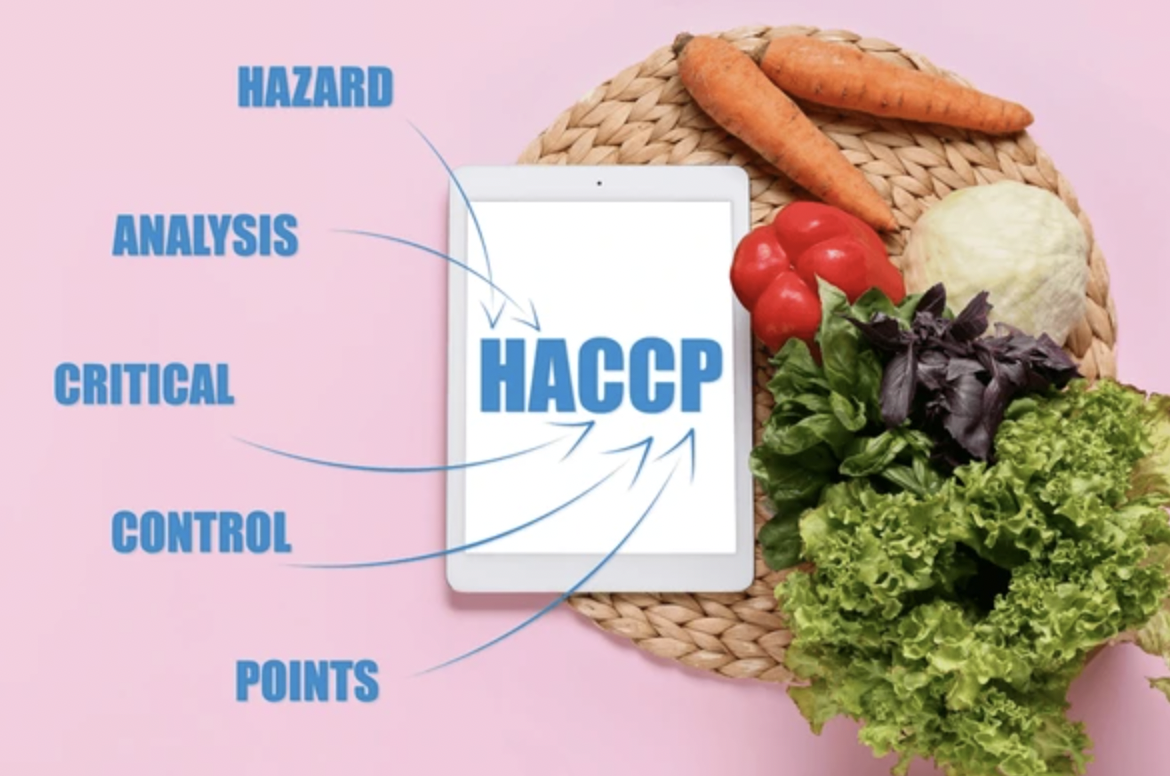
What is a HACCP Nonconformity?
A HACCP nonconformity occurs when a business fails to meet one or more requirements of its HACCP system or the requirements outlined in MS 1480:2025. Nonconformities are typically identified during internal audits, certification audits, customer audits, or regulatory inspections.
These findings indicate weaknesses in food safety controls, documentation, implementation, or monitoring processes that may impact product safety if left unaddressed. In many cases, nonconformities arise from misunderstandings of verification vs validation, where organizations fail to distinguish between confirming that controls are being followed correctly and demonstrating that those controls are effective in controlling food safety hazards.
Why HACCP Nonconformities Matter
Nonconformities are more than just audit findings. They can expose a business to food safety risks, regulatory issues, customer complaints, and reputational damage. Repeated or major nonconformities may also lead to certification delays, suspension, or increased audit scrutiny.
As highlighted in the MS 1480:2025 HACCP Update, businesses should proactively identify and address compliance gaps before audits occur. By correcting issues early, organizations can improve operational efficiency, strengthen compliance, and reduce the likelihood of food safety incidents.
Common HACCP Nonconformities Found During Audits
Incomplete HACCP Documentation
One of the most common audit findings is incomplete or outdated HACCP documentation. Businesses often fail to maintain current procedures, records, forms, or hazard analysis documents.
Examples include:
- Missing monitoring records
- Outdated HACCP plans
- Incomplete process flow diagrams
- Uncontrolled documents
Auditors expect documentation to accurately reflect actual operations and demonstrate compliance with HACCP requirements.
Poor Hazard Analysis
Hazard analysis forms the foundation of HACCP. However, some organizations fail to identify all relevant biological, chemical, physical, or allergen hazards within their processes.
Common issues include:
- Incomplete hazard identification
- Incorrect risk assessment
- Failure to justify hazard significance
- Missing control measures
An inadequate hazard analysis can compromise the effectiveness of the entire HACCP system.
Critical Control Point (CCP) Monitoring Failures
Many audit findings relate to poor CCP monitoring practices.
Examples include:
- Missing CCP records
- Incorrect monitoring frequency
- Employees not following monitoring procedures
- Incomplete verification of CCP results
Without effective monitoring, businesses cannot demonstrate that food safety hazards are being properly controlled.
Lack of Corrective Action Records
When deviations occur, businesses must investigate the cause and implement corrective actions. Unfortunately, many organizations fail to properly document these actions.
Common findings include:
- Missing corrective action reports
- No root cause analysis
- Repeated issues without permanent solutions
- Inadequate follow-up verification
Auditors want evidence that problems are not only corrected but also prevented from recurring.

Poor Employee Hygiene Practices
Food handlers play a critical role in food safety. Auditors frequently identify hygiene-related nonconformities that increase contamination risks.
Examples include:
- Improper handwashing
- Lack of protective clothing
- Poor personal hygiene practices
- Inadequate hygiene training
Maintaining strong food hygiene controls is essential for HACCP compliance.
Inadequate Cleaning and Sanitation Controls
Cleaning and sanitation programs are often a focus during HACCP audits.
Common findings include:
- Incomplete cleaning schedules
- Lack of sanitation verification
- Poor equipment cleanliness
- Missing cleaning records
Businesses must demonstrate that cleaning procedures are consistently implemented and effective.
Calibration and Equipment Control Issues
Monitoring equipment must be accurate and reliable.
Auditors frequently find:
- Expired calibration certificates
- Uncalibrated measuring devices
- Missing calibration records
- Lack of verification activities
Inaccurate equipment can lead to unreliable food safety monitoring results.
Supplier Management Weaknesses
Raw materials and ingredients can introduce food safety risks if suppliers are not properly controlled.
Common supplier-related nonconformities include:
- Lack of supplier evaluations
- Missing supplier approval records
- No review of supplier performance
- Incomplete incoming material inspections
Strong supplier management helps ensure food safety throughout the supply chain.
Incomplete Internal Audits
Internal audits are required to evaluate the effectiveness of the HACCP system. However, some businesses perform audits inconsistently or fail to address findings.
Examples include:
- Missed audit schedules
- Incomplete audit scope
- Lack of auditor competency
- Failure to close audit findings
Effective internal audits help identify problems before certification audits occur.
Insufficient Staff Training
Employee competency is a common area of concern.
Auditors often identify:
- Missing training records
- Outdated training programs
- Lack of HACCP awareness
- Inadequate competency assessments
Proper training ensures employees understand their food safety responsibilities and can effectively implement HACCP controls.

How to Avoid HACCP Nonconformities
The best way to avoid nonconformities is through proactive management of your HACCP system. Businesses should regularly review their HACCP plan, conduct internal audits, maintain accurate records, train employees, and monitor compliance with established procedures.
A strong food safety culture and continuous improvement approach can significantly reduce the likelihood of audit findings and certification issues.
How Connext Consulting Helps Businesses Achieve HACCP Compliance
Many food businesses struggle with HACCP implementation because they lack the internal expertise, resources, or time needed to build a compliant system. At Connext Consulting, we help organizations develop practical HACCP systems that meet MS 1480:2025 requirements while supporting day-to-day operations.
Our team provides comprehensive support, including gap analysis, HACCP documentation development, employee training, internal audits, corrective action implementation, and certification audit preparation. By working with experienced consultants, businesses can identify compliance gaps early, avoid common audit findings, and achieve certification more efficiently.
Conclusion
HACCP nonconformities are often caused by preventable issues such as poor documentation, inadequate monitoring, hygiene failures, and ineffective corrective actions. Understanding these common findings under MS 1480:2025 allows businesses to strengthen their food safety systems and improve audit readiness.
Whether you are preparing for HACCP certification or looking to improve an existing system, Connext Consulting can help you build a robust, audit-ready food safety management system. Contact us today to learn how our HACCP consulting and training services can support your compliance and certification goals.
Frequently Asked Questions (FAQs)
What is the most common HACCP nonconformity?
Incomplete documentation and missing monitoring records are among the most common HACCP audit findings.
What happens if a HACCP audit finds nonconformities?
The business must implement corrective actions and provide evidence that the issues have been resolved before certification can be granted or maintained.
How can I reduce HACCP nonconformities?
Regular internal audits, employee training, proper documentation, and effective monitoring can significantly reduce nonconformities.
Is HACCP certification mandatory in Malaysia?
Requirements vary by industry and customer expectations, but many food businesses pursue HACCP certification to demonstrate food safety compliance.