5 Signs Your ISO 14001 System Only Works During Audit Season (And How to Fix It)
Many companies achieve ISO 14001 certification with good intentions but over time, the system slowly becomes something that only gets attention before audits. Documents suddenly get updated. Employees are rushed into refresher training. Environmental records appear overnight. And management starts asking questions they haven’t asked in months. This is commonly known as an “audit season EMS” where the environmental management system looks active during audits but is disconnected from daily operations the rest of the year.
With the upcoming ISO 14001:2026 revision placing greater focus on system effectiveness, leadership accountability, climate risks, and operational performance, businesses relying on “tick-box compliance” may struggle during future audits. Here are 5 clear signs your ISO 14001 system may only be working during audit season and what you should do instead.
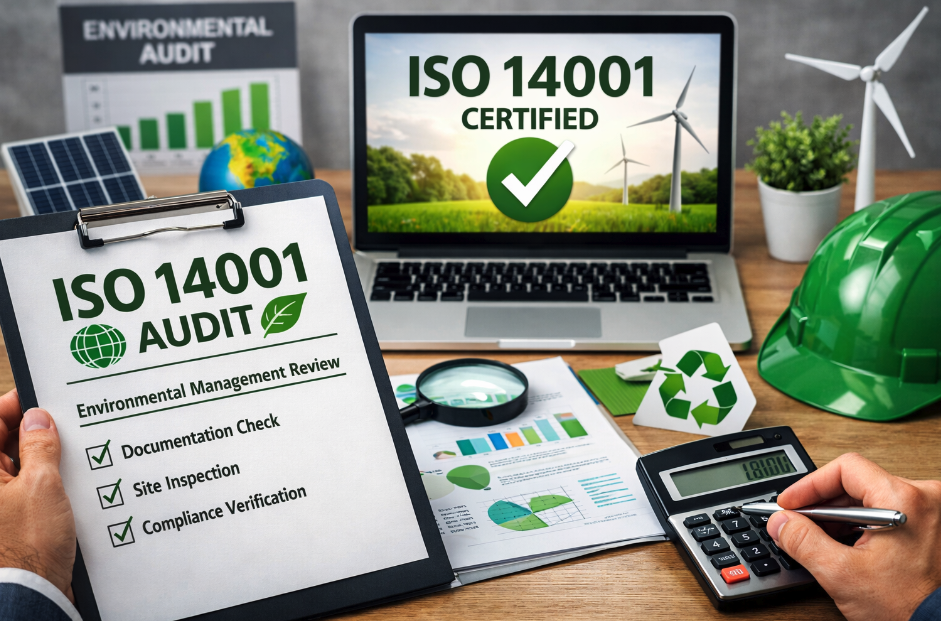
5 Signs Your ISO 14001 EMS Only Works During Audit Season
1. ISO 14001 Records Only Updated During Audit Season
One of the clearest signs of a weak EMS is when environmental records are only updated right before an audit. Waste logs, compliance checks, monitoring reports, and environmental objectives are often “filled in” during audit preparation instead of being maintained continuously. This shows the system is reactive rather than operational, which is a major concern under modern ISO audit expectations.
2. Low Employee Awareness in ISO 14001 EMS Implementation
If employees only understand environmental procedures during audit week, the system is not truly embedded in operations. Staff may struggle to explain environmental responsibilities, waste handling procedures, or emergency response actions when asked.
A strong ISO 14001 requires continuous awareness, not last-minute training.
3. ISO 14001 Environmental Objectives Not Being Monitored
Many companies set environmental objectives such as reducing waste or energy usage—but never track progress after setting them. There is no measurement, no follow-up, and no corrective action taken throughout the year.
Without monitoring, environmental objectives become documentation exercises rather than real performance drivers.
4. Weak ISO 14001 Internal Audit Process
Internal audits often become routine checklist exercises done only to prepare for external certification audits. Findings are repeated every year, and audits rarely check real site operations or environmental performance.
This weak approach is one of the most common reasons companies struggle during external ISO audits.
5. Lack of Top Management Involvement in ISO 14001 EMS
When leadership only becomes active during audit season, the EMS is not truly integrated into business strategy. Management reviews are delayed, environmental KPIs are rarely discussed, and leadership is disconnected from environmental performance.
Under evolving ISO expectations, including ISO 14001:2026 direction, leadership involvement is becoming more critical than ever.
How to Fix an Audit-Season EMS
An “audit-season EMS” happens when your ISO 14001 is only actively used before audits instead of being integrated into daily operations. To fix this, the goal is to shift from a documentation-driven system to a live, operational environmental management system that works all year round.
Integrate EMS into Daily Operations
The first step is to embed environmental procedures directly into daily workflows. Instead of treating EMS documents as audit files, they should guide real activities such as waste handling, energy usage, and environmental controls on the shop floor. When EMS becomes part of routine operations, it stops being “audit-only” and starts creating real value.
Track Environmental KPIs Continuously
Environmental performance indicators should be monitored on a regular basis—not only during management review meetings or audit preparation. This includes tracking waste generation, energy consumption, emissions, and compliance performance. Continuous tracking ensures that issues are detected early instead of being discovered during audits.
Conduct Meaningful Internal Audits
Internal audits should not be treated as checkbox exercises. Instead, they should evaluate actual site conditions, operational practices, and system effectiveness. A strong internal audit helps identify gaps early and ensures corrective actions are implemented before external audits take place.
Train Employees Throughout the Year
Employee awareness should be continuous, not seasonal. Regular training ensures that staff understand their environmental responsibilities and can correctly follow procedures without relying on last-minute audit preparation. This builds a stronger compliance culture across the organization.
Involve Top Management Consistently
Leadership must be actively involved in environmental performance throughout the year. This includes reviewing KPIs, supporting improvement initiatives, and integrating environmental objectives into business decisions. Under evolving ISO expectations, leadership engagement is a key factor in system effectiveness.
Fixing an audit-season EMS requires shifting from paper compliance to operational integration. When ISO 14001 is embedded into daily processes, monitored continuously, and supported by leadership, it becomes a true management system, not just an audit requirement.
Why This Matters More Under ISO 14001:2026
The future direction of ISO 14001 focuses less on documentation and more on real environmental performance.
Key focus areas include:
- Climate risk integration
- Supply chain environmental control
- Operational performance tracking
- Leadership accountability
- Continuous improvement
This means audit-season systems will no longer be sufficient. There are a lot of SMEs starting ISO 14001 now.
Conclusion
An effective environmental management system should not exist only during audit preparation, it should operate continuously as part of your business culture. When your ISO 14001 is properly integrated into daily operations, supported by leadership, and monitored consistently, it becomes a powerful tool for improving efficiency, reducing environmental risk, and ensuring long-term compliance.
For ISO 14001 for SMEs Malaysia, the key is not complexity, it is consistency. Small and medium enterprises can achieve strong environmental performance by embedding simple, practical controls into everyday processes rather than relying on last-minute audit preparation.
At Connext Consulting, we help SMEs in Malaysia build practical, easy-to-manage ISO 14001 systems that are audit-ready all year round. From gap analysis to implementation and ISO 14001:2026 transition support, we ensure your system works in real operations, not just on paper. Contact Connext Consulting today to strengthen your ISO 14001 system and build a sustainable, audit-ready EMS for your business.
FAQs
What is an audit-season ISO 14001 system?
It is when the EMS is only updated and used before audits, not throughout the year.
Why is this a problem?
It leads to weak compliance, poor environmental performance, and higher audit risks.
What does ISO 14001:2026 change?
It increases focus on real environmental performance, leadership accountability, and operational integration.
How can companies improve their ISO 14001 system?
By integrating EMS into daily operations, improving internal audits, and tracking performance continuously.